
Enterprise cloud environments are prime targets for unauthorized cryptocurrency mining. In this guide, you will learn how threat actors execute cloud resource hijacking to fuel illicit mining operations, how they leverage container escape exploits, and how to use cloud security posture management (CSPM) to detect abnormal CPU spikes before they inflate your operational costs.
Key Takeaways:
- Exposed Vectors: Attackers target misconfigured Kubernetes clusters and web applications to deploy browser-based mining scripts and heavy mining daemons.
- Escape Tactics: Container escape exploits allow malware to break out of isolated environments, gaining direct access to the underlying host’s hardware.
- Proactive Defense: Modern CSPM platforms detect subtle, throttled CPU spikes and misconfigurations that traditional monitoring tools miss.
How Do Threat Actors Hijack Enterprise Cloud Resources?
Cloud resource hijacking occurs when unauthorized users gain access to your cloud infrastructure to run resource-intensive tasks. In most cases, these actors are looking for free computational power to mine cryptocurrencies. They scan the public internet for exposed APIs, unpatched vulnerabilities, and leaked credentials to establish their initial foothold.
Once inside, attackers deploy automated scripts designed to maximize resource consumption. This can include browser-based mining, where compromised web applications force visitors’ devices to mine cryptocurrency. More commonly, attackers target backend servers, spinning up unauthorized virtual machines or high-performance containers dedicated entirely to mining operations.
The Mechanics of Container Escape Exploits
To maximize their mining yields, hackers must bypass the resource limits imposed on individual containers. They achieve this through container escape exploits, which allow them to break out of the containerized runtime environment and access the host operating system directly. By escaping the container, the attacker can hijack all available CPU and GPU cores on the physical server.
According to the MITRE ATT&CK framework for Resource Hijacking, adversaries frequently abuse system permissions to execute these resource-intensive tasks. They exploit kernel vulnerabilities like DirtyPipe or misconfigurations such as running containers in privileged mode. Once the host is compromised, the attacker can deploy kernel-level miners that operate with administrative privileges, making detection and removal significantly more difficult.
Why Traditional Monitoring Fails to Detect Modern Cryptojacking
Historically, detecting cryptojacking was simple: security teams looked for sudden, sustained 100% CPU utilization. Today, threat actors are far more sophisticated. They program their mining malware to cap resource usage at moderate levels, such as 30% or 40%, or to pause operations entirely during standard business hours.
This evasion technique makes thermal throttling detection and hardware telemetry essential. When a server runs continuous, mid-level mining tasks, it generates persistent heat, triggering thermal throttling detection mechanisms as the hardware attempts to cool itself. Security teams must look beyond simple CPU percentages and monitor physical thermal metrics, fan speeds, and hypervisor-level throttling events to catch these stealthy operations.
How to Use CSPM to Detect Abnormal CPU Spikes
Cloud Security Posture Management (CSPM) is your primary line of defense against resource hijacking. Modern CSPM platforms continuously scan your multi-cloud environment to identify the security gaps that attackers exploit. By enforcing strict configuration baselines, CSPM prevents the initial access required for cryptojacking.
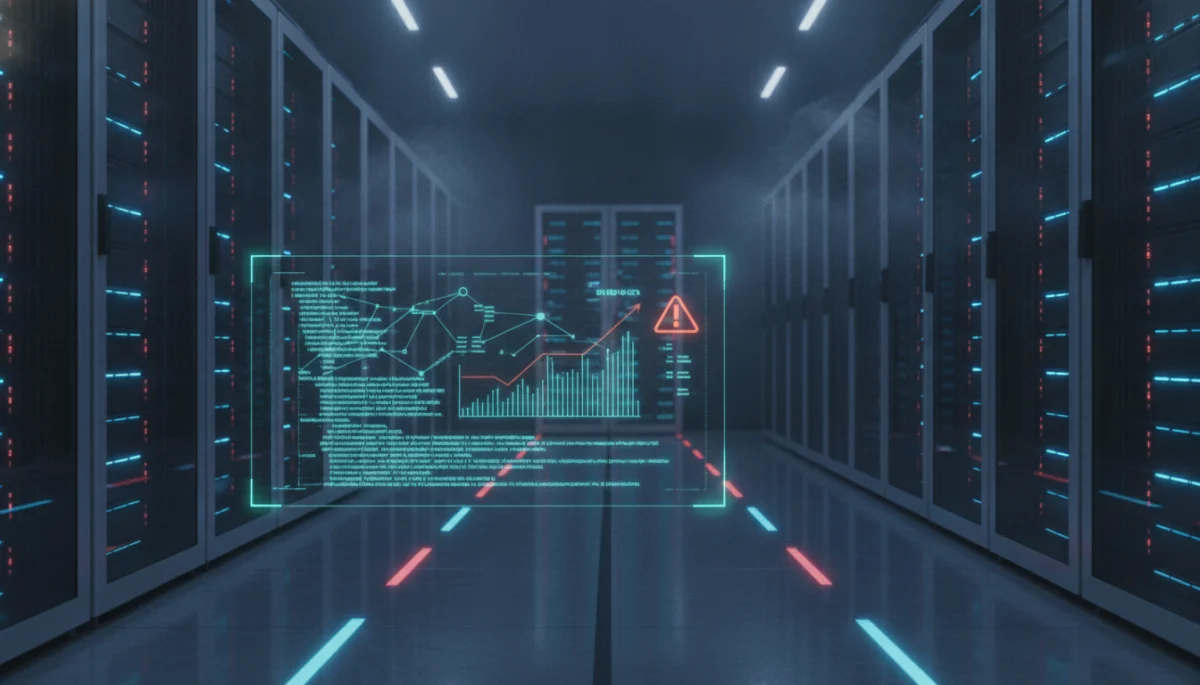
To detect active mining, configure your CSPM tool to monitor for abnormal CPU spikes that deviate from established historical baselines. CSPM platforms integrate with cloud provider APIs to analyze usage patterns across your entire infrastructure. If a container or virtual machine exhibits a persistent, low-level CPU increase without a corresponding increase in application traffic, the CSPM flags it as an anomaly.
Furthermore, advanced CSPM solutions can detect the deployment of unauthorized daemon sets, modified container images, and outbound connections to known mining pools. By combining configuration auditing with real-time runtime analysis, you can automatically isolate compromised containers before they cause widespread damage.
Real-World Impact: The True Cost of Cloud Hijacking
The financial impact of cryptojacking goes far beyond a slightly elevated utility bill. Sophisticated threat groups automate their scanning and exploitation pipelines. Within minutes of exposing a Docker daemon or Kubernetes API, automated bots can deploy hundreds of high-compute instances across your cloud accounts.
For enterprises, this results in massive financial surprises, sometimes totaling tens of thousands of dollars in a single weekend. Additionally, the constant hardware strain accelerates server degradation, while the unauthorized activity introduces severe compliance risks under frameworks like SOC 2 and PCI-DSS.
To protect your organization from these invisible drains on your budget and infrastructure, begin by auditing your container privileges today. Restrict container runtimes from running as root, disable privileged access where unnecessary, and deploy a robust CSPM tool to continuously monitor your cloud footprint. By combining strict least-privilege access controls with granular CPU and thermal monitoring, you can secure your cloud resources against unauthorized exploitation.