

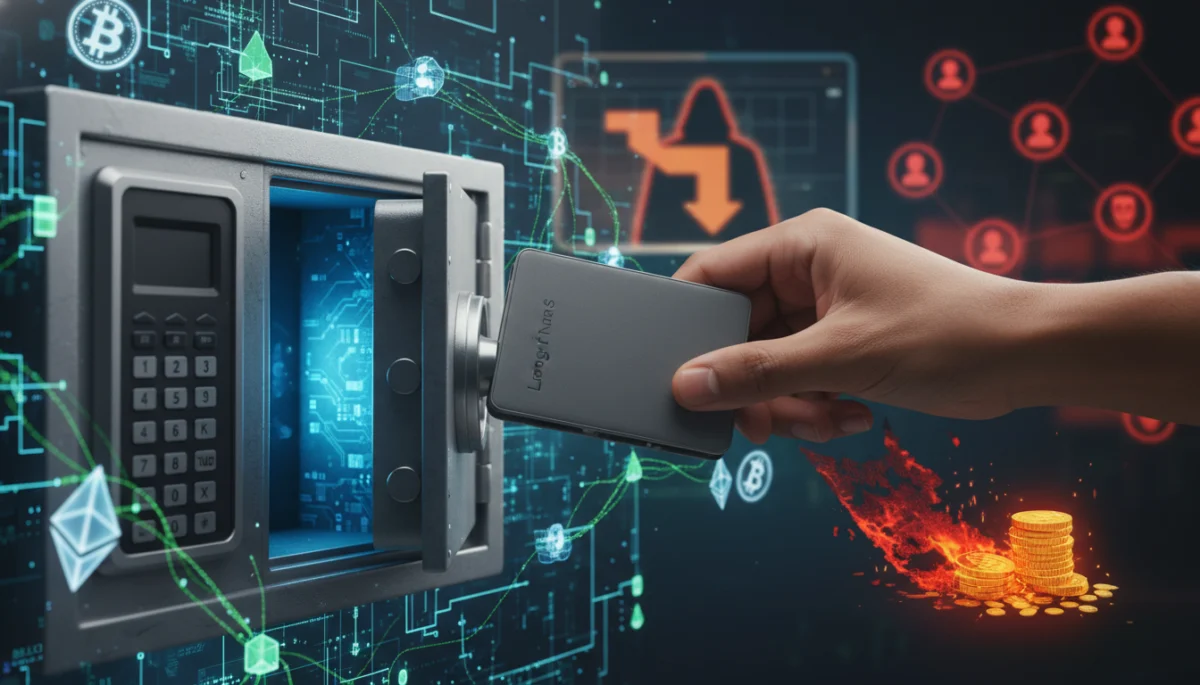
The allure of rapid wealth in the cryptocurrency market often overshadows the insidious dangers lurking beneath its surface. While the digital frontier promises innovation, it also harbors increasingly sophisticated threats designed to separate investors from their assets. Among the most notorious are rug pulls, a deceptive tactic where developers abandon a project and abscond with investors’ funds, leaving behind worthless tokens. Understanding these elaborate schemes is the first line of defense against financial ruin in this volatile space.
The landscape of crypto fraud is constantly evolving, moving beyond simple phishing attempts to highly intricate operations. These advanced scams exploit both technical vulnerabilities and fundamental human trust, making them particularly difficult to detect for the untrained eye. Staying informed about their mechanics is crucial for anyone engaging with digital assets.
Understanding Sophisticated Crypto Scams
Modern cryptocurrency scams are multifaceted, leveraging a blend of social engineering, smart contract exploits, and even artificial intelligence. They target both individual investors and large decentralized finance (DeFi) protocols, demonstrating a worrying trend towards greater complexity and impact.
The Deceptive Lure of Pig Butchering Scams
One of the most emotionally devastating forms of crypto fraud is the pig butchering scam, or ‘Sha Zhu Pan’. This long-con involves fraudsters building deep, often romantic, relationships with their victims over weeks or months. Once trust is established, they introduce the victim to a fake investment platform, often claiming it uses advanced algorithms or AI-generated fake trading bots to guarantee high returns.
Victims are initially allowed to withdraw small amounts, reinforcing the illusion of legitimacy. However, as they invest larger sums, encouraged by their ‘friend’, all funds become inaccessible. The scammer then disappears, leaving the victim with significant emotional and financial damage. These operations are highly organized, often originating from sophisticated criminal networks.
Unpacking Rug Pulls and Smart Contract Vulnerabilities
Beyond social manipulation, many scams exploit the very technology underpinning cryptocurrency. Rug pulls, for instance, are a prevalent form of exit scam in DeFi. Developers create a new token, pair it with a legitimate cryptocurrency (like Ethereum) to form a liquidity pool, and then market it heavily.
Once enough investors have bought into the token, the developers remove all the paired cryptocurrency from the liquidity pool, effectively draining its value and rendering the new token worthless. This is often facilitated by smart contract vulnerabilities or malicious code embedded within the contract, giving the developers privileged access to funds or control over token distribution that isn’t transparent to investors.
The Stealth of Flash Loan Attacks
Another technically sophisticated threat involves flash loan attacks, primarily targeting DeFi protocols. Flash loans are uncollateralized loans that must be borrowed and repaid within the same blockchain transaction. While legitimate in concept, malicious actors can exploit them to manipulate market prices or drain liquidity from vulnerable protocols.
Attackers typically use a flash loan to borrow a large sum, then use that capital to manipulate the price of an asset on one decentralized exchange (DEX). They then exploit this manipulated price on another DEX or protocol to profit, repay the flash loan, and walk away with the difference, all within seconds. These attacks expose critical weaknesses in price oracles and protocol designs.
The ‘How’ Behind the Exploitation
The execution of these scams relies on a combination of psychological manipulation and technical prowess. Pig butchering scams, for example, meticulously craft fake online personas and narratives. They use sophisticated psychological tactics to build rapport, isolate victims from their support networks, and gradually coerce them into transferring funds to fraudulent platforms. The integration of AI-generated fake trading bots adds a layer of technological credibility to their fabricated investment schemes.
Technically, smart contract vulnerabilities can be subtle. They might involve reentrancy bugs, where a malicious contract repeatedly calls a function before the initial transaction is complete, draining funds. Other vulnerabilities include improper access control, integer overflows, or logical errors that can be exploited to mint infinite tokens or bypass security checks. Flash loan attacks, conversely, are pure arbitrage, exploiting price discrepancies across different exchanges, often by manipulating oracle feeds or liquidity pools through rapid, high-volume trades.
Fortifying Your Digital Assets: Prevention Tactics
Protecting yourself from these advanced threats requires a multi-layered approach, combining robust technical security with vigilant personal practices. Proactive measures are always more effective than reactive ones in the fast-paced crypto world.
The Imperative of Cold Storage
For significant crypto holdings, cold storage is paramount. Hardware wallets, which store private keys offline, provide an air-gapped layer of security against online threats like malware and phishing. These devices ensure that your private keys never leave the device, even when signing transactions, making them incredibly resistant to remote attacks. Learning to use them correctly is a vital step in securing your assets.
Implementing Multi-Signature Wallets
Multi-signature (multi-sig) wallets offer enhanced security, especially for shared funds or large personal holdings. A multi-sig wallet requires multiple private keys to authorize a transaction, meaning no single point of compromise can lead to a loss of funds. For instance, a 2-of-3 multi-sig wallet needs at least two out of three designated key holders to approve a transaction. This distributed control significantly reduces the risk of theft or unauthorized access.
Vigilance Against Social Engineering
Beyond technical defenses, critical thinking and skepticism are your best tools against social engineering. Always verify the identity of individuals you interact with online, especially those offering investment advice or promising guaranteed returns. Be wary of unsolicited messages, too-good-to-be-true opportunities, and any pressure to act quickly. Remember, legitimate projects and advisors will not rush you or demand immediate action.
Smart Contract Audits and Due Diligence
Before investing in any new project or using a DeFi protocol, thoroughly research its fundamentals. Check if its smart contracts have undergone independent security audits by reputable firms. While audits don’t guarantee immunity from bugs, they significantly reduce the risk of critical vulnerabilities. Understand the project’s tokenomics, team, and community sentiment, and never invest more than you can afford to lose.
The digital asset space, while promising immense opportunities, demands constant vigilance. By understanding the intricate mechanics of sophisticated scams like rug pulls, pig butchering, and flash loan attacks, and by proactively adopting robust security measures such as cold storage and multi-sig wallets, investors can significantly reduce their exposure to risk. Continuous education and a healthy dose of skepticism remain your most powerful allies in navigating these complex and often treacherous digital waters.