

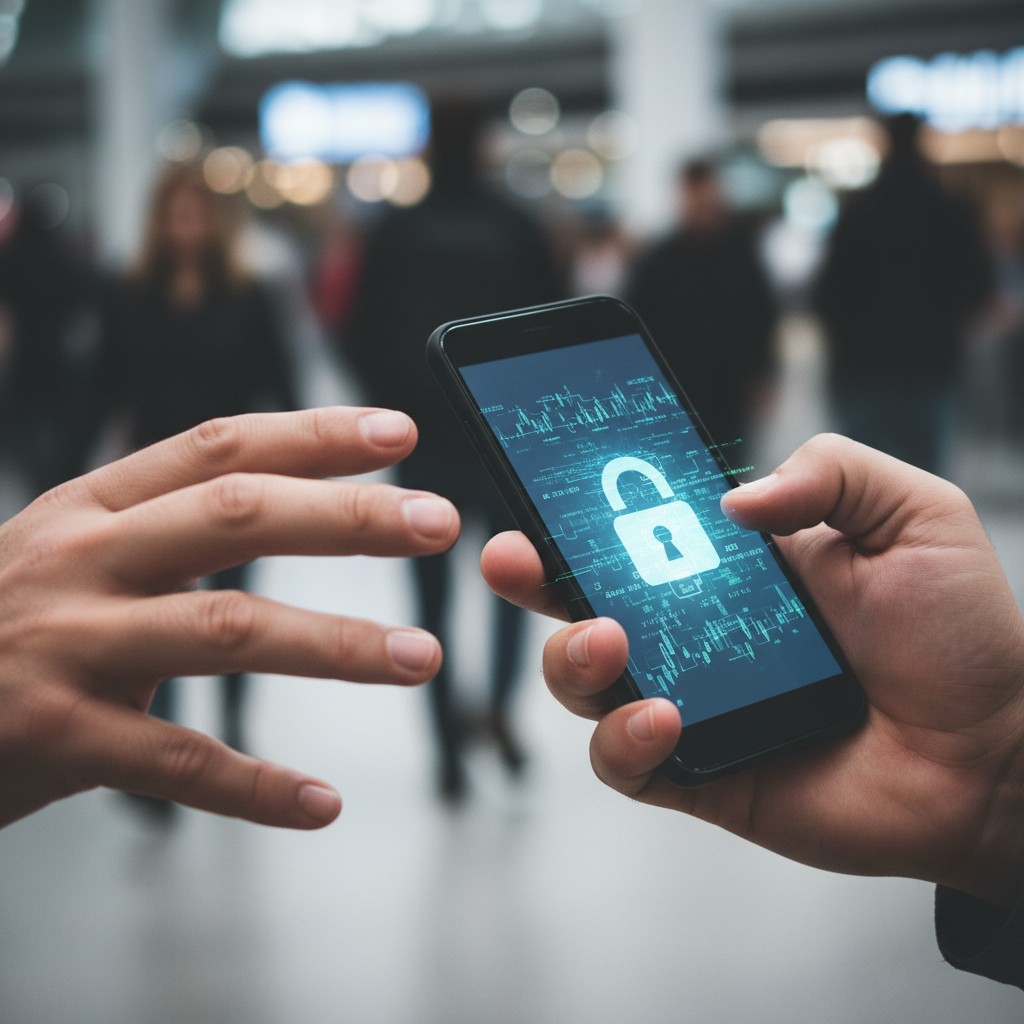
In our hyper-connected world, the mobile phone has evolved from a simple communication device into a digital extension of ourselves. It houses our memories, manages our finances, facilitates our social interactions, and often serves as the key to our professional lives. Given its pervasive presence, it’s not uncommon for friends, family, or even acquaintances to ask to borrow your phone for a quick call, to check something online, or to snap a photo. While such requests often seem innocuous and born out of convenience, a deeper dive reveals a multitude of security and privacy risks that many overlook.
The Illusion of Harmless Sharing
The act of handing over your smartphone, even for a brief moment, can feel like a trivial gesture of trust. We often assume that the person borrowing it has a specific, limited purpose in mind – perhaps their battery died, they need to look up an address, or they want to show someone a picture on the internet. This casual exchange, however, masks the profound level of access you are granting to your personal digital ecosystem. The perceived innocence of the request can lull us into a false sense of security, making us underestimate the potential for unintended consequences.
Even if the person borrowing your phone has the best intentions, the mere act of having your device in their hands opens a Pandora’s box of potential vulnerabilities. A quick swipe, an accidental tap, or a momentary lapse in judgment can expose sensitive information or alter critical settings without malice, but with significant repercussions. The convenience of lending often overshadows the inherent risks, turning a simple favor into a potential security headache.
Data Privacy at Risk
Your mobile phone is a treasure trove of personal data. From intimate photos and videos capturing your life’s moments to sensitive work documents, every piece of information stored on your device is a potential target. Beyond static files, consider the vast amount of data accessible through your logged-in applications: messaging apps containing private conversations, email clients with personal and professional correspondence, and social media platforms revealing your daily activities and connections. Allowing someone access, even momentarily, means they could inadvertently or intentionally stumble upon this information, leading to privacy breaches or uncomfortable situations.
Furthermore, your browsing history, saved passwords (even if not directly accessible, the browser itself might be logged in), and cached data from various apps can paint a detailed picture of your habits, interests, and vulnerabilities. A curious individual could easily delve into these areas, compromising not just your privacy but potentially gathering information that could be used for social engineering or identity theft.
Financial Vulnerabilities
With the rise of mobile banking and digital payment platforms, our smartphones have become virtual wallets. Banking apps, payment services like Apple Pay or Google Pay, and online shopping accounts often store credit card details or offer one-tap payment options. While these apps typically require separate authentication, the presence of your phone in someone else’s hands could expose notifications that reveal financial activity, or worse, allow access if your security measures are not robust enough, or if the individual is particularly tech-savvy and malicious. The risk extends to potential SIM swap attacks, where physical access to your device can make it easier for an attacker to gain control over your phone number and, consequently, your financial accounts.
Social Engineering and Impersonation
Lending your phone can also open the door to social engineering attacks. A malicious individual could send messages or emails to your contacts, impersonating you to solicit sensitive information, spread misinformation, or even request money. This not only puts your contacts at risk but can also severely damage your reputation and relationships. Access to your contact list alone provides a valuable resource for phishing scams, as the scammer can craft more convincing messages by leveraging your personal network.
Beyond Obvious Snooping: Malware and Unwanted Installations
The threats extend beyond simple data viewing. A less scrupulous individual could potentially install malicious software on your device in a matter of seconds. Spyware, keyloggers, or other forms of malware can be discreetly downloaded, allowing them to monitor your activities, record your keystrokes, or track your location long after they’ve returned your phone. They might also alter critical settings, disable security features, or even enroll your device in unwanted services, all without your immediate knowledge. This covert manipulation can have long-lasting and severe consequences for your digital security.
Location Tracking and Stalkerware
Another disturbing possibility is the installation of stalkerware or the manipulation of location services. While often associated with more extreme cases, it’s a stark reminder of how easily a phone can be turned into a surveillance device. A person with ill intent could activate hidden location tracking features, install apps designed to monitor your movements, or even remotely wipe your device. Such actions can have profound implications for your personal safety and peace of mind, highlighting the critical importance of maintaining exclusive control over your mobile device.
Practical Safeguards and Responsible Mobile Ownership
Given these pervasive risks, adopting a cautious approach to lending your phone is essential. Implementing strong passcodes, patterns, or biometric authentication (fingerprint, face ID) is the first line of defense. Many smartphones also offer a ‘guest mode’ or ‘screen pinning’ feature, which limits access to specific apps or creates a temporary, isolated profile. Regularly reviewing your app permissions and ensuring your operating system is up-to-date can also bolster your device’s security. When someone asks to borrow your phone, consider if the task can be done by you instead, or if there’s an alternative solution. It might feel awkward to decline, but prioritizing your digital security is a non-negotiable aspect of responsible mobile ownership in the modern age.
Ultimately, your mobile device is more than just a gadget; it’s a vault containing the intimate details of your life. Protecting it from unauthorized access, whether accidental or malicious, is paramount to maintaining your privacy, financial security, and personal well-being. The digital landscape is fraught with unseen dangers, and your smartphone serves as your primary gateway to this complex world. Therefore, exercising vigilance and making conscious decisions about who interacts with your device isn’t about being distrustful; it’s about being smart and proactive in safeguarding your digital identity and everything it encompasses.