
In an age where our smartphones are extensions of ourselves, holding everything from cherished memories to critical financial data, it’s natural to wonder: how secured is your mobile? These pocket-sized powerhouses have become indispensable, acting as our personal assistants, navigators, entertainment hubs, and even our wallets. But with great convenience comes great responsibility, especially when it comes to safeguarding the treasure trove of personal information they contain.
The Indispensable Device: A Hub of Your Digital Life
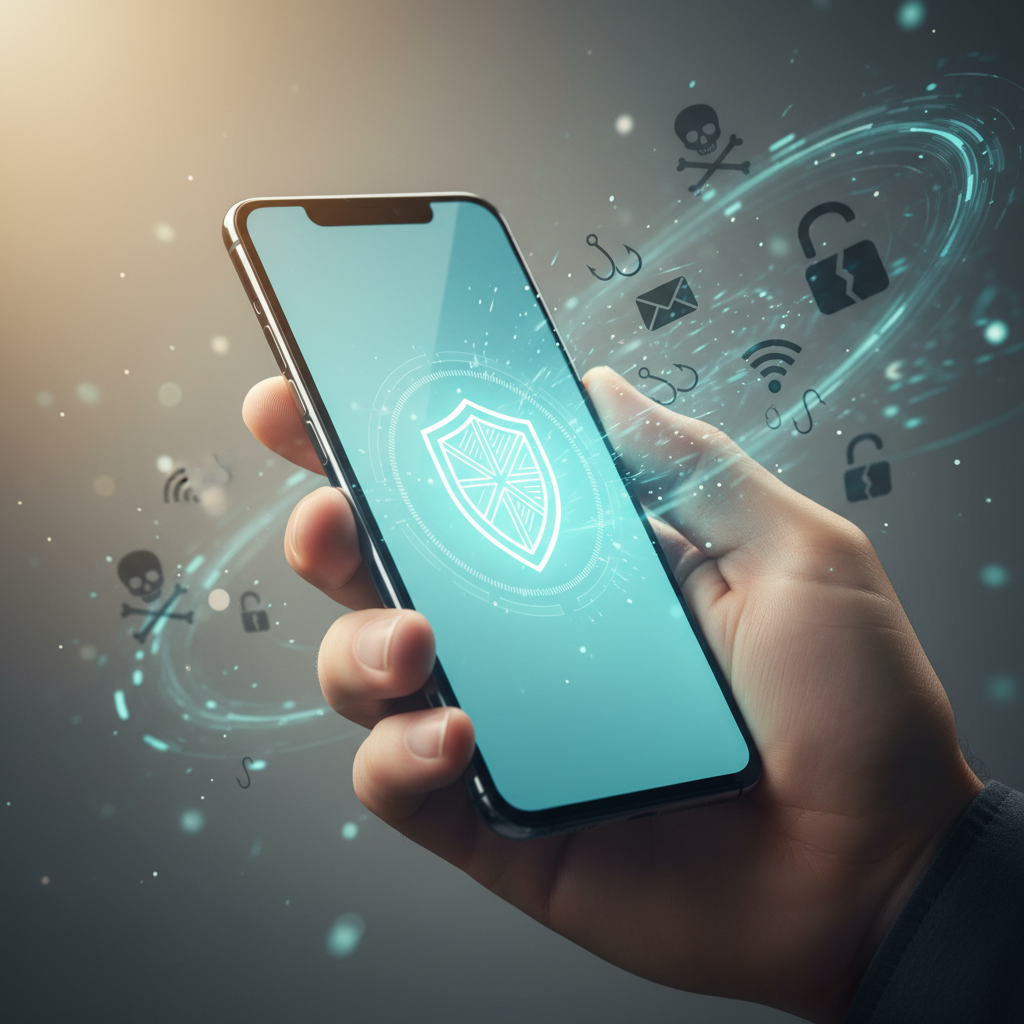
Think for a moment about what’s on your phone. Banking apps, social media accounts, work emails, personal photos, health trackers, password managers, and location history – the list is extensive. This concentration of sensitive data makes your mobile device an incredibly attractive target for cybercriminals. A compromised phone isn’t just an inconvenience; it can lead to identity theft, financial fraud, reputational damage, and a profound loss of privacy. Understanding the risks is the first step toward building robust defenses.
Navigating the Minefield: Common Mobile Threats
Phishing and Smishing Scams
These deceptive tactics trick users into revealing sensitive information. Phishing often arrives via email, while ‘smishing’ uses SMS messages. Both aim to lure you to fake websites or prompt you to download malicious attachments by impersonating trusted entities like banks, government agencies, or even friends. A single click can open the door to your personal data.
Malware and Spyware Infiltration
Malicious software, or malware, can infect your device through dodgy app downloads, suspicious links, or even compromised websites. Once installed, it can range from annoying adware to sophisticated spyware that records your keystrokes, tracks your location, accesses your contacts, or steals your banking credentials without your knowledge.
The Perils of Public Wi-Fi
Connecting to free, unsecured public Wi-Fi networks in cafes or airports might seem harmless, but it’s a significant security risk. These networks are often unencrypted, making it easy for attackers to intercept your data – from browsing history to login credentials – as it travels between your device and the internet. It’s essentially broadcasting your information to anyone listening.
Physical Loss and Theft
Sometimes the simplest threats are the most effective. Losing your phone or having it stolen can immediately expose all your stored data if it’s not adequately protected. Without proper security measures, a thief could gain direct access to your digital life, leading to devastating consequences.
Outdated Software Vulnerabilities
Software developers constantly release updates to fix bugs and patch security vulnerabilities. Running an outdated operating system or apps means you’re leaving known weaknesses exposed, creating easy entry points for attackers. Many successful cyberattacks exploit these unpatched flaws.
Building Your Digital Bulwark: Essential Security Measures
Strong Authentication is Your First Line of Defense
Always use a strong, unique passcode, PIN, or pattern. Combine this with biometric authentication like fingerprint or face ID for an extra layer of security. Avoid easily guessable combinations like birth dates or sequential numbers. This simple step can deter most casual attempts to access your device.
Keep Your Software Updated
Enable automatic updates for your operating system and all installed applications. These updates often contain critical security patches that close vulnerabilities exploited by cybercriminals. Staying current is one of the easiest yet most effective ways to maintain your mobile’s integrity.
Scrutinize App Permissions
Before installing a new app, review the permissions it requests. Does a flashlight app really need access to your contacts or location? Regularly check and adjust permissions for existing apps to ensure they only access what’s necessary for their function. Limit unnecessary data sharing.
Embrace VPNs on Public Networks
When connecting to public Wi-Fi, always use a reputable Virtual Private Network (VPN). A VPN encrypts your internet traffic, creating a secure tunnel between your device and the internet, effectively shielding your data from prying eyes on unsecured networks.
Install Reputable Security Software
Consider installing a trusted mobile security app. Many offer features like anti-malware scanning, web protection, and privacy tools that can detect and prevent threats before they compromise your device. Choose well-known brands from official app stores.
Enable Remote Locate and Wipe Features
Most modern smartphones offer features like ‘Find My Device’ (Android) or ‘Find My iPhone’ (iOS). Enable these immediately. In case of loss or theft, you can remotely locate your phone, lock it, display a message, or, as a last resort, wipe all data to protect your privacy.
Regular Data Backups
While not strictly a security measure against intrusion, regular backups are crucial for data recovery. If your phone is lost, stolen, or compromised beyond repair, having a recent backup ensures your precious photos, documents, and contacts aren’t lost forever.
The Human Factor: Your Role in Mobile Security
Ultimately, the strongest technological defenses can be undermined by human error. Your vigilance, critical thinking, and awareness are paramount. Be wary of unsolicited messages, verify the authenticity of senders, and think twice before clicking on suspicious links or downloading apps from unofficial sources. Education about the latest threats empowers you to make smarter, safer choices.
Ensuring the security of your mobile device isn’t a one-time task; it’s an ongoing commitment. As technology evolves and new threats emerge, staying informed and proactively implementing security best practices is essential. By treating your smartphone as the valuable digital asset it is and taking consistent steps to protect it, you can navigate the digital world with greater peace of mind, confident that your personal fortress remains secure against the ever-present currents of cyber threats.