
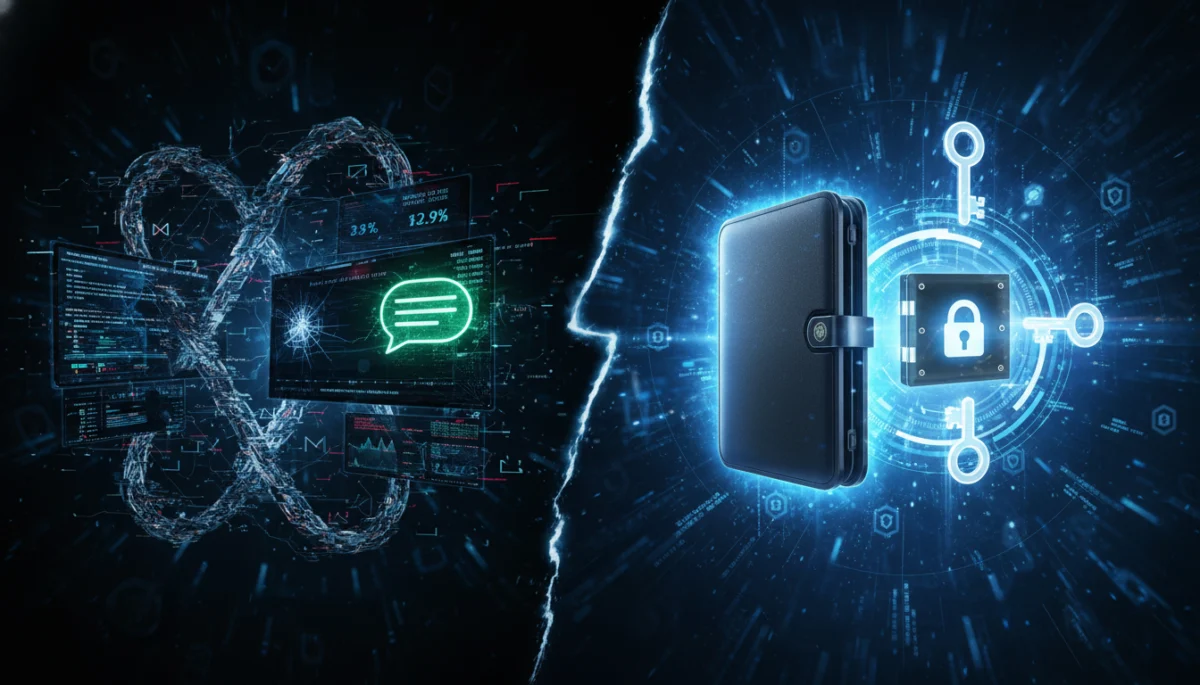
The cryptocurrency landscape, while offering unprecedented opportunities for innovation and financial freedom, has also become a fertile ground for increasingly sophisticated scams. From the sudden disappearance of project funds to elaborate long-term deceptions, understanding the mechanics behind these illicit schemes is paramount for any digital asset holder. One of the most common and devastating types of fraud is a **rug pull**, where developers abandon a project and abscond with investors’ funds, often leaving a trail of broken promises and empty wallets. These aren’t just simple phishing attempts; modern crypto scams leverage complex social engineering, smart contract vulnerabilities, and even artificial intelligence to ensnare unsuspecting victims.
The Anatomy of a Sophisticated Cryptocurrency Scam
Modern crypto fraud isn’t accidental; it’s meticulously planned, often exploiting both technical loopholes and human psychology. Staying informed about their methods is the first step towards protection.
Understanding Rug Pulls and Their Deceptive Nature
A rug pull is a malicious maneuver in the cryptocurrency world where developers of a new project suddenly drain all the liquidity from a decentralized exchange (DEX) pool, effectively rendering the token worthless. This often occurs shortly after a successful initial coin offering (ICO) or liquidity event, leaving investors with unsellable assets. The perpetrators frequently build hype through fake social media campaigns and influencer endorsements to attract maximum investment before vanishing.
The Insidious Pig Butchering Scam
Perhaps one of the most emotionally draining scams, “pig butchering” (Sha Zhu Pan) is a long-con social engineering attack. Scammers cultivate relationships with victims over weeks or months, often posing as successful professionals on dating apps or social media. They slowly introduce the idea of a lucrative crypto investment, guiding the victim to a fraudulent trading platform that appears legitimate. The scam slowly “fattens the pig” by allowing small, initial withdrawals to build trust, before encouraging larger deposits, ultimately draining the victim’s entire savings when they attempt a significant withdrawal.
Exploiting Smart Contract Vulnerabilities
The backbone of decentralized finance (DeFi) is smart contracts, self-executing agreements coded onto the blockchain. However, flaws in these contracts can be catastrophic. Vulnerabilities like re-entrancy attacks, front-running, or logic errors can allow attackers to drain funds, manipulate prices, or exploit protocol mechanics. A prime example of exploiting these flaws involves **flash loan attacks**.
Flash loan attacks leverage uncollateralized loans, often taken and repaid within a single blockchain transaction, to manipulate market prices on decentralized exchanges. An attacker might take a large flash loan, use it to artificially inflate the price of a token on one exchange, then sell their own holdings at the inflated price on another, repay the loan, and keep the profit. These complex exploits require deep understanding of blockchain mechanics and smart contract interactions, often targeting specific DeFi protocols with known weaknesses.
The Rise of AI-Generated Fake Trading Bots
The integration of artificial intelligence into scamming operations marks a new frontier in crypto fraud. Scammers now deploy **AI-generated fake trading bots** that promise guaranteed, high-yield returns with minimal effort. These bots often come with sophisticated, seemingly legitimate web interfaces, complete with real-time charts and testimonials generated by AI. Victims are led to believe that the AI is autonomously generating profits, while in reality, their deposits are simply being siphoned away by the scammers. The persuasive power of AI-driven narratives makes these schemes incredibly convincing and difficult to detect for the average user.
Fortifying Your Crypto Defenses: Prevention Tactics
Protecting your digital assets requires a multi-layered approach, combining technical security with a healthy dose of skepticism. Vigilance is your greatest ally against these evolving threats.
The Power of Cold Storage
For significant holdings, **cold storage** solutions are indispensable. Hardware wallets, which store your private keys offline, provide a robust defense against online hacking attempts and malware. By keeping your assets disconnected from the internet, you drastically reduce the attack surface. Even simple paper wallets, if generated and secured correctly, can offer a basic form of cold storage for long-term holds, though hardware wallets provide a more user-friendly and secure experience.
Implementing Multi-Signature Wallets
**Multi-signature (multi-sig) wallets** add an extra layer of security by requiring multiple approvals before a transaction can be executed. Instead of a single private key controlling funds, a multi-sig wallet might require 2 out of 3, or 3 out of 5, designated signers to approve a transaction. This prevents a single point of failure, whether it’s a compromised private key, a lost device, or even a scammer coercing a single individual. It’s particularly effective for organizational funds or joint holdings, providing a crucial safeguard against both internal and external threats.
Due Diligence and Skepticism
Before investing in any project, conduct thorough due diligence. Research the development team, scrutinize their whitepaper, and look for independent smart contract audits. Be wary of projects promising unrealistic returns, as these are almost always red flags. Always verify the legitimacy of any platform or individual asking for your funds. Remember, if an investment opportunity seems too good to be true, it almost certainly is. Educate yourself continuously on new scam tactics and share knowledge within your community to collectively build a more secure crypto ecosystem.
In an increasingly complex digital financial world, safeguarding your investments demands proactive measures and unwavering caution. By understanding the sophisticated methods employed by fraudsters, from the deceptive allure of a rug pull to the intricate web of a pig butchering scam, and by implementing robust security practices like cold storage and multi-sig wallets, you empower yourself against potential losses. Stay informed, stay skeptical, and prioritize the security of your digital future above all else.