
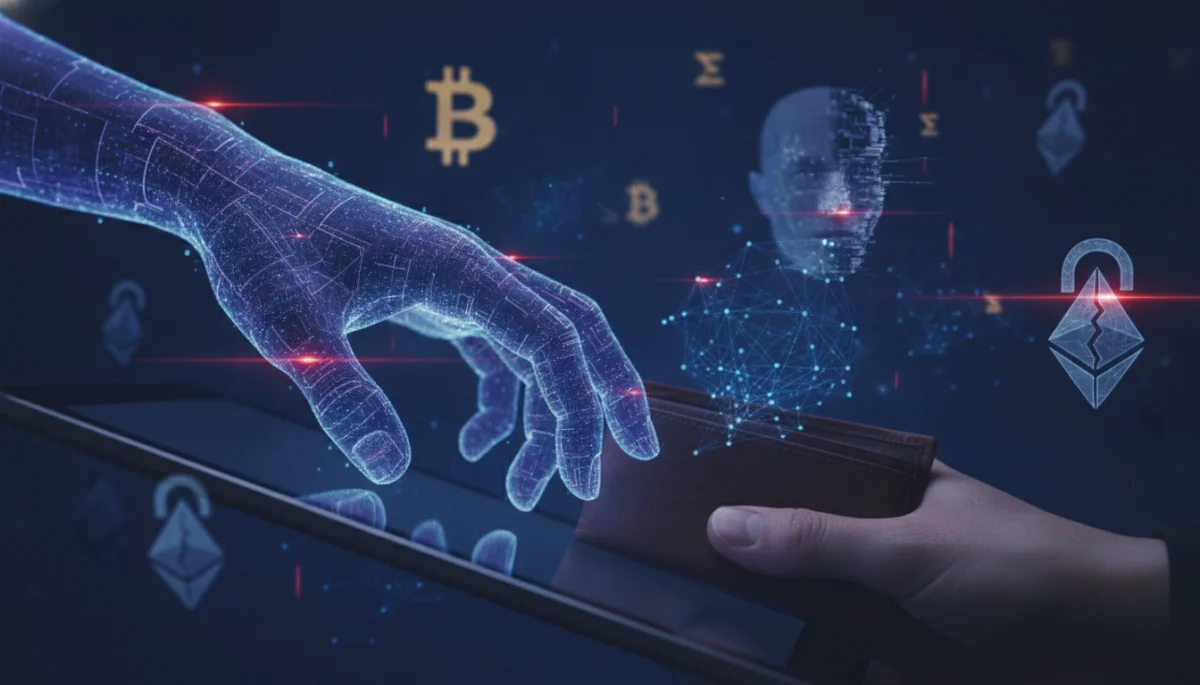
The cryptocurrency landscape, while offering unprecedented opportunities for innovation and wealth creation, is also a fertile ground for increasingly sophisticated scams. As digital assets gain mainstream traction, so too do the methods of those seeking to exploit unsuspecting individuals. From sudden project collapses to elaborate long-term deceptions, understanding the mechanics of these threats is paramount for any participant in the crypto space. One of the most common and damaging schemes, the rug pull, has evolved significantly, making it harder to detect.
Staying informed about the latest scam methodologies is not just about avoiding financial loss; it’s about safeguarding trust in a rapidly evolving ecosystem. The sophistication of these attacks now often blends advanced technical exploits with cunning social engineering, creating a dangerous cocktail for the unprepared.
Understanding the Evolution of Crypto Scams
While early crypto scams might have involved simple phishing links or fake giveaways, today’s threats are far more intricate. Attackers now leverage a deep understanding of human psychology, blockchain technology, and even artificial intelligence to execute their schemes. This evolution demands a proactive and informed defense strategy from every investor.
One particularly insidious form of social engineering that has gained notoriety is the pig butchering scam. This tactic involves a long-term, calculated manipulation of victims, often leading to devastating financial and emotional consequences.
The Deceptive Art of Pig Butchering Scams
Pig butchering scams, or ‘Sha Zhu Pan’ in Chinese, are not quick-hit schemes. They involve scammers building deep, often romantic or friendly, relationships with their targets over weeks or months. Through persistent communication on dating apps, social media, or messaging platforms, they cultivate trust, sharing fabricated success stories of cryptocurrency investments.
Once a strong emotional bond is established, the scammer introduces the idea of a lucrative crypto investment opportunity, often involving a fake trading platform or a fraudulent app. They might even guide the victim through initial small ‘successful’ withdrawals to build confidence, only to encourage larger and larger deposits. The ‘butchering’ occurs when the victim has invested a significant sum, at which point the scammer and their fake platform vanish, along with all the invested funds.
Technical Exploits: Smart Contract Vulnerabilities and Flash Loan Attacks
Beyond social manipulation, many sophisticated scams exploit the underlying technology of blockchain itself. The immutable and decentralized nature of smart contracts, while a strength, can also be a critical vulnerability if not properly secured and audited.
These technical exploits often require a deep understanding of blockchain protocols and coding, allowing attackers to manipulate systems for massive, rapid gains. Two prominent examples include vulnerabilities within smart contracts and the highly technical flash loan attacks.
Unpacking Smart Contract Exploits
Smart contracts are self-executing agreements whose terms are directly written into code. However, flaws in this code can be exploited by malicious actors. Common vulnerabilities include re-entrancy bugs, logic errors, incorrect access control, or improper handling of external calls.
An attacker who identifies such a flaw can drain funds from a protocol, manipulate asset prices, or hijack control of a decentralized application. These exploits often go undetected until it’s too late, leading to significant losses for users and projects alike. Thorough auditing and rigorous testing are crucial, yet even well-audited contracts can sometimes harbor hidden issues.
The Velocity of Flash Loan Attacks
Flash loans are a unique feature of decentralized finance (DeFi), allowing users to borrow uncollateralized assets, provided they are repaid within the same blockchain transaction. While designed for legitimate arbitrage or liquidation strategies, they’ve become a powerful tool for attackers to execute complex exploits with incredible speed.
A flash loan attack typically involves borrowing a massive amount of cryptocurrency, using it to manipulate the price of an asset on a decentralized exchange (DEX) or exploit a faulty oracle, and then repaying the loan within the same transaction. This manipulation allows the attacker to profit from the temporary price distortion, leaving the protocol and its users with substantial losses. The speed and atomicity of these attacks make them incredibly difficult to prevent once initiated.
The Rise of AI-Generated Fake Trading Bots and Deepfakes
The advent of artificial intelligence has added another layer of complexity to the scam landscape. AI tools are now being leveraged to create highly convincing deceptions, making it even harder for victims to distinguish reality from fabrication.
This includes the development of sophisticated bots that mimic human interaction, and the creation of deepfake media that can fool even the most cautious individuals. The integration of AI into scamming techniques represents a significant leap in the sophistication of these malicious activities.
AI’s Role in Deception
AI-generated fake trading bots are becoming more prevalent, often used in conjunction with pig butchering scams. These bots are presented as advanced algorithms capable of generating guaranteed returns, luring victims into depositing funds onto fake platforms. The ‘performance’ shown by these bots is entirely fabricated, designed solely to encourage further investment.
Furthermore, AI-powered deepfakes allow scammers to create highly realistic fake videos and audio of trusted figures, or even the scammer themselves, to further convince victims. Imagine a deepfake video of a reputable financial analyst endorsing a fraudulent project, or a scammer using a deepfake of themselves to build a more ‘authentic’ relationship with a target. These technologies blur the lines of trust and verification.
Fortifying Your Defenses: Prevention Tactics
Combating these multifaceted threats requires a robust security posture and an unwavering commitment to due diligence. While no system is entirely foolproof, adopting strong preventative measures can significantly reduce your risk exposure.
Understanding and implementing fundamental security practices, such as leveraging specific types of wallets, is crucial. These tactics provide layers of protection against both social engineering and technical exploits.
The Imperative of Cold Storage
For long-term holdings and significant amounts of cryptocurrency, cold storage is the gold standard for security. Cold storage refers to keeping your private keys offline, disconnected from the internet. Hardware wallets, which are physical devices designed to securely store private keys, are a popular form of cold storage.
By keeping your assets in cold storage, you mitigate risks associated with online hacks, malware, and phishing attempts. Even if your computer is compromised, your funds remain secure because the private keys never touch an internet-connected device during transaction signing. This physical isolation is a powerful defense.
Securing Assets with Multi-Signature Wallets
Another powerful security measure is the use of multi-signature (multi-sig) wallets. Unlike standard wallets that require a single private key to authorize a transaction, multi-sig wallets require multiple approvals from a predefined set of keys.
For example, a 2-of-3 multi-sig wallet would require at least two out of three designated private keys to sign a transaction. This setup is ideal for shared treasuries, organizational funds, or even individuals who want an extra layer of security against a single point of failure (e.g., losing one key or having one key compromised). It adds a critical layer of redundancy and control, making it far more difficult for a single attacker to gain unauthorized access to funds.
In a world where digital deception is constantly evolving, vigilance remains your most potent weapon. Always verify information independently, exercise extreme caution with unsolicited investment opportunities, and prioritize the security of your private keys. Educating yourself about the latest scam techniques and consistently applying robust security practices like cold storage and multi-sig wallets are essential steps to protect your digital wealth in this dynamic environment.