

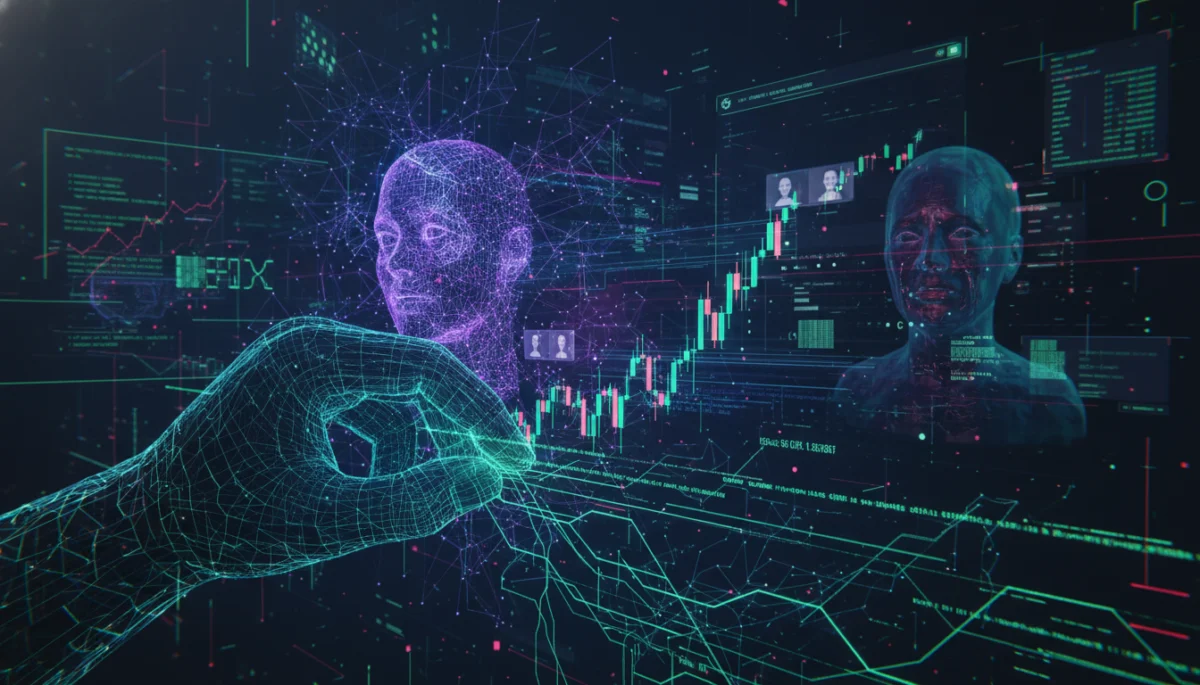
The burgeoning landscape of decentralized finance (DeFi) and the broader cryptocurrency ecosystem, while promising unprecedented innovation, has simultaneously become a fertile ground for increasingly sophisticated illicit activities. Beyond the rudimentary phishing attempts and pump-and-dump schemes, a new breed of crypto scam has emerged, characterized by its technical prowess, psychological manipulation, and often, a chilling blend of both. This analysis delves into the intricate mechanics of these advanced threats—from smart contract vulnerabilities and economic exploits to AI-augmented social engineering—and outlines robust, expert-level countermeasures essential for safeguarding digital assets.
For those navigating the complexities of Web3, it’s imperative to recognize the evolving threat matrix. Traditional rug pulls, where project developers abscond with investor funds, have grown more subtle, often embedded within seemingly legitimate smart contract logic. Pig butchering scams, notorious for their long-term psychological conditioning, now leverage sophisticated digital fronts. Meanwhile, smart contract vulnerabilities continue to be a primary vector for flash loan attacks and reentrancy exploits, leading to catastrophic capital loss. The advent of AI introduces a new dimension, enabling the generation of hyper-realistic fake trading bots and highly personalized social engineering campaigns.
The Anatomy of Smart Contract Exploits and Economic Attacks
Sophisticated scams often originate not from brute-force hacking, but from a deep understanding of blockchain mechanics and smart contract execution environments. Attackers meticulously identify and exploit subtle design flaws or implementation errors within seemingly robust protocols.
Flash Loan Attacks: Leveraging Uncollateralized Liquidity
Flash loan attacks exemplify economic exploitation within DeFi. These attacks leverage the unique property of flash loans—uncollateralized loans that must be repaid within the same blockchain transaction. An attacker borrows a massive sum, executes a series of rapid, interconnected transactions across multiple decentralized exchanges (DEXs) or lending protocols to manipulate asset prices, profits from the disparity, and repays the loan, all within a single block. A classic example is the bZx protocol incidents in 2020, where attackers exploited price oracle vulnerabilities to drain millions. The core vulnerability often lies not in the flash loan mechanism itself, but in downstream protocols’ reliance on easily manipulable price feeds or insufficient slippage controls.
Deceptive Smart Contracts: The Rug Pull’s Evolution
While basic rug pulls involve simply draining liquidity, advanced iterations embed malicious functions directly into the token or liquidity pool contract. These can include:
- Hidden `setOwner` or `migrate` functions: Allowing developers to transfer ownership or migrate liquidity to malicious contracts.
- Manipulated `transfer` or `transferFrom` logic: Creating “honeypot” tokens where users can buy but not sell, often via exorbitant sell taxes or blacklisting.
- Proxy Contract Vulnerabilities: Where an upgradeable implementation contract is swapped for a malicious one post-audit.
These require a meticulous bytecode analysis, often beyond the scope of a cursory audit, and highlight the critical need for understanding the full contract architecture, not just the immediately visible functions.
The Evolving Threat of Social Engineering and AI-Driven Deception
Beyond technical exploits, the human element remains a primary attack vector, now augmented by advanced technologies.
Pig Butchering Scams: The Long Con
Known as “Sha Zhu Pan” (pig butchering), these scams are multi-stage, long-term psychological manipulations. Perpetrators, often operating from well-organized crime syndicates, establish contact via dating apps, social media, or even professional networking sites. They cultivate deep trust and emotional connection over weeks or months before introducing a fabricated, high-yield crypto investment opportunity, typically on a custom-built, fake trading platform. Victims are encouraged to deposit small amounts, shown fabricated profits, and then pressured to invest increasingly larger sums. The “slaughter” occurs when the victim attempts to withdraw funds, only to find their account frozen or requiring exorbitant “taxes” or “fees” that never lead to payout. The FBI has issued numerous warnings, indicating billions in losses annually from these highly effective and emotionally devastating schemes.
AI-Generated Fake Trading Bots and Deepfakes
The emergence of generative AI has significantly lowered the barrier for creating convincing deceptive content. AI can be used to:
- Craft Hyper-Realistic Identities: Generating deepfake profiles and videos for social engineering, making scammer identities appear more legitimate and trustworthy.
- Automate Social Engineering: AI chatbots can sustain convincing conversations, building rapport and guiding victims through the scam narrative more efficiently than human operators alone.
- Fabricate Sophisticated Platforms: AI can assist in generating the UI/UX for fake trading platforms, complete with realistic charts, transaction histories, and customer support interfaces, making the scam appear highly professional and legitimate.
These AI-powered tools enhance the scale and sophistication of social engineering, making detection increasingly challenging.
Practical Applications and Advanced Strategies
Mitigating these advanced threats requires a multi-layered approach, combining robust technical safeguards with continuous vigilance.
Fortifying Digital Assets with Multi-Signature and Cold Storage
For individuals and institutions, Multi-Signature (Multi-Sig) Wallets are paramount. Requiring multiple private keys to authorize a transaction, multi-sig wallets (e.g., Gnosis Safe) eliminate single points of failure, protecting against both private key compromise and individual social engineering. A 2-of-3 multi-sig setup ensures funds remain secure even if one key is compromised. For ultimate security, multi-sig keys should be distributed across different hardware wallets, ideally with geographical separation.
Advanced Cold Storage goes beyond simple hardware wallets. Consider air-gapped systems for transaction signing, where the signing device never connects to the internet. For seed phrases, explore Shamir’s Secret Sharing (SSS) to split a seed into multiple unique components, requiring a specified number of components to reconstruct the original. This mitigates the risk of a single point of compromise for recovery phrases.
Beyond personal security, rigorous Smart Contract Audits by multiple reputable firms are non-negotiable for any protocol interaction. However, even audited contracts can harbor economic vulnerabilities or be subject to upgrade proxy risks, necessitating continuous monitoring and understanding of the protocol’s governance and upgrade mechanisms.
Future Implications and Emerging Trends
The arms race between crypto scammers and security professionals is accelerating, driven largely by advancements in AI and blockchain analytics. We can anticipate an escalation where AI-powered anomaly detection systems will be deployed to identify suspicious contract deployments or transaction patterns in real-time, directly countering AI-generated scam content. Regulatory bodies will likely intensify their scrutiny, pushing for greater transparency and accountability from centralized exchanges and DeFi protocols, while decentralized communities will continue to develop on-chain reputation systems and blacklisting protocols.
The ultimate defense, however, will remain a blend of technological innovation and human acumen. As the technical attack surfaces become increasingly fortified, the vector will inevitably shift towards the complex socio-technical interfaces and the inherent human desire for trust and gain. The battle against crypto scams will increasingly be fought at the intersection of cryptography, behavioral psychology, and artificial intelligence, demanding a collective, continuously educated vigilance from every participant in the digital economy.





[…] of broken promises and empty wallets. These aren’t just simple phishing attempts; modern crypto scams leverage complex social engineering, smart contract vulnerabilities, and even artificial […]