

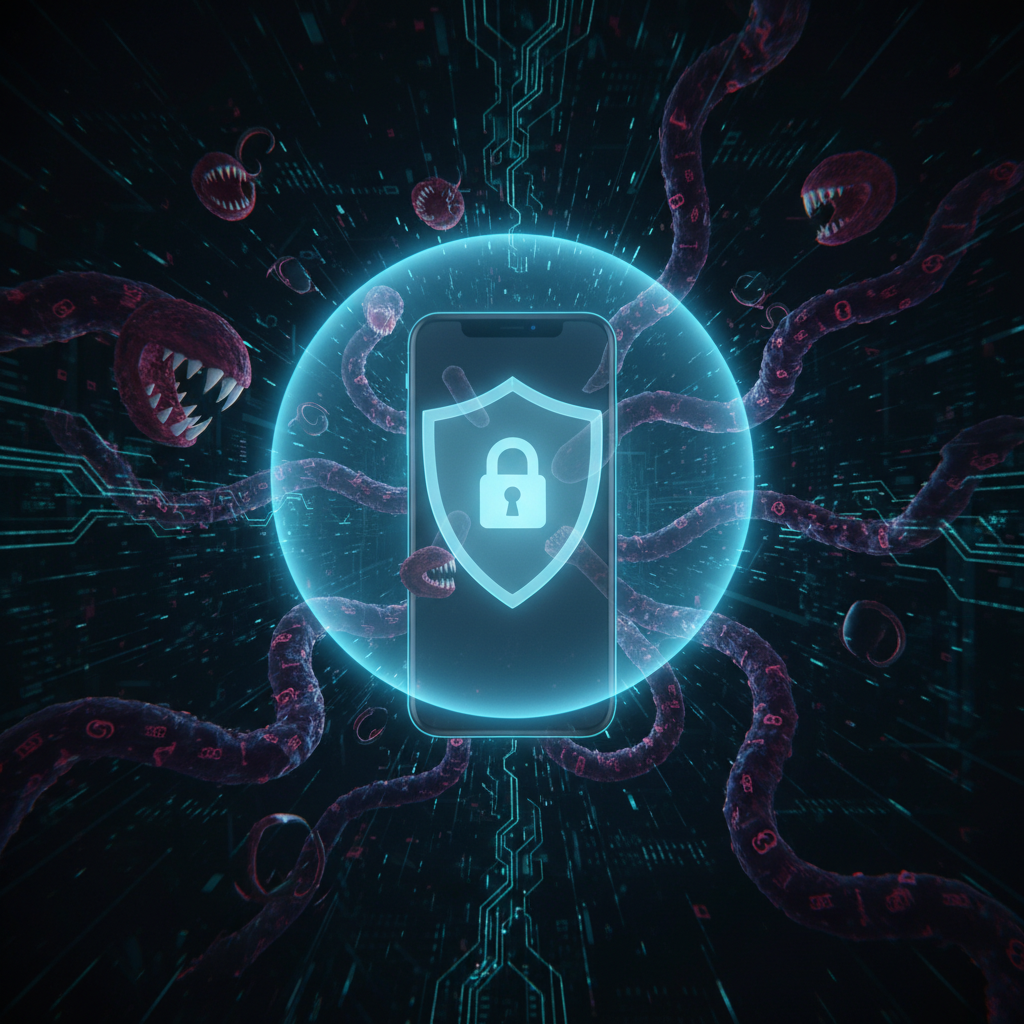
Our mobile phones have become indispensable extensions of ourselves, holding an astonishing amount of personal and professional data. From banking apps and private conversations to work emails and cherished photos, these devices are digital repositories of our lives. This ubiquity and the wealth of information they contain make them prime targets for malicious actors. The threat of mobile phone hacking is no longer a niche concern for tech-savvy individuals; it’s a pervasive reality that every smartphone user must acknowledge and actively defend against, regardless of whether they use Android or iOS.
The Evolving Landscape of Mobile Threats
The days when digital threats primarily targeted desktop computers are long gone. Today, the mobile ecosystem is a bustling battleground where cybercriminals constantly innovate, developing sophisticated malware, ransomware, and cunning social engineering tactics designed specifically for smartphones. These threats aim to steal data, hijack accounts, extort money, or simply disrupt our digital lives, making robust mobile security more crucial than ever before.
Android vs. iOS: A Tale of Two Ecosystems
There’s a common misconception that one mobile operating system is inherently immune to threats while the other is a digital sieve. In reality, both Android and iOS face unique security challenges and employ different approaches to combat them. iOS, with its tightly controlled app ecosystem and sandboxed applications, often presents a harder target for widespread malware. However, its users are not immune, especially from sophisticated phishing attacks or targeted exploits. Android, being more open and customizable, offers greater flexibility but also a larger attack surface, making it more susceptible to malware distributed through third-party app stores or malicious APKs. The key takeaway is that vigilance is paramount for users of both platforms.
Beyond Traditional Viruses: The Rise of Sophisticated Malware
Modern mobile malware extends far beyond the traditional “virus” that merely corrupts files. Today’s threats are highly specialized. Spyware silently monitors your activities, recording keystrokes, capturing screenshots, and even activating your camera or microphone without your knowledge. Adware bombards you with unwanted advertisements, often slowing down your device and consuming data. Trojans disguise themselves as legitimate apps, only to unleash their malicious payload once installed. Ransomware, perhaps one of the most terrifying, encrypts your device’s data, demanding payment for its release, effectively holding your digital life hostage.
Common Attack Vectors and How They Work
Understanding how these threats infiltrate your device is the first step toward effective defense. Attackers exploit various vulnerabilities, often preying on human error or trust rather than purely technical flaws.
Hacked Apps and Third-Party Stores
One of the most straightforward ways for malware to infect an Android device is through hacked apps downloaded from unofficial third-party app stores or direct APK downloads. These apps often mimic popular legitimate applications, sometimes even offering “premium” features for free. However, they come bundled with malicious code that can grant attackers extensive access to your device, its data, and your privacy. Even on iOS, sideloading or using enterprise certificates for non-official apps can open similar backdoors, though it’s a less common vector due to Apple’s stricter controls.
Phishing and Social Engineering
Phishing remains a remarkably effective attack vector across both Android and iOS. These scams often arrive via email, SMS, or messaging apps like WhatsApp. They might impersonate banks, government agencies, or even your friends, urging you to click a malicious link, download an attachment, or provide sensitive information. WhatsApp hacks, for instance, frequently leverage social engineering, where an attacker gains access to a contact’s account and then sends messages to their network, masquerading as the legitimate user to spread malware or solicit funds.
Ransomware: Holding Your Data Hostage
Mobile ransomware operates similarly to its desktop counterpart. Once it infects a device, it encrypts personal files, photos, videos, and documents, rendering them inaccessible. A demand for a cryptocurrency payment, often with a strict deadline, is then displayed, threatening permanent data loss if the ransom isn’t paid. While paying the ransom is generally discouraged as it fuels the criminal enterprise and doesn’t guarantee data recovery, the psychological pressure on victims is immense. It often spreads through malicious links, infected app downloads, or even drive-by downloads from compromised websites.
Fortifying Your Mobile Defenses
While the threat landscape can seem daunting, proactive measures can significantly bolster your mobile security. A multi-layered approach combining technical safeguards with informed user behavior is the most effective strategy.
Best Practices for Android and iOS Users
Firstly, always keep your operating system and all your apps updated. Software updates frequently include critical security patches that close vulnerabilities attackers might exploit. Use strong, unique passwords or passphrases, and enable two-factor authentication (2FA) wherever possible, especially for banking, email, and social media. Regularly review app permissions, revoking access to features an app doesn’t genuinely need. On Android, stick to the Google Play Store for app downloads, and on iOS, use the App Store. Be wary of public Wi-Fi networks, and consider using a VPN for sensitive transactions.
The Power of Vigilance
Perhaps the most potent defense is an informed and skeptical mindset. Treat unsolicited messages, unexpected links, or requests for personal information with extreme caution. If an offer seems too good to be true, it almost certainly is. Before clicking a link, hover over it (if on a desktop) or long-press it (on mobile) to preview the URL. Be suspicious of unusual behavior from apps or your device, such as excessive battery drain, unexpected data usage, or strange pop-ups. Your intuition is often your first line of defense against social engineering attempts.
Ultimately, securing your mobile device isn’t a one-time task but an ongoing commitment. The digital threats we face are constantly evolving, and so too must our defenses. By understanding the risks, adopting robust security practices, and cultivating a healthy sense of digital skepticism, we can significantly reduce our vulnerability and protect the invaluable data that makes our smartphones so essential to modern life. It’s about building a resilient digital presence where convenience doesn’t come at the cost of security.




[…] cybersecurity landscape is in a constant state of evolution, with threat actors continuously refining their methodologies to bypass […]