

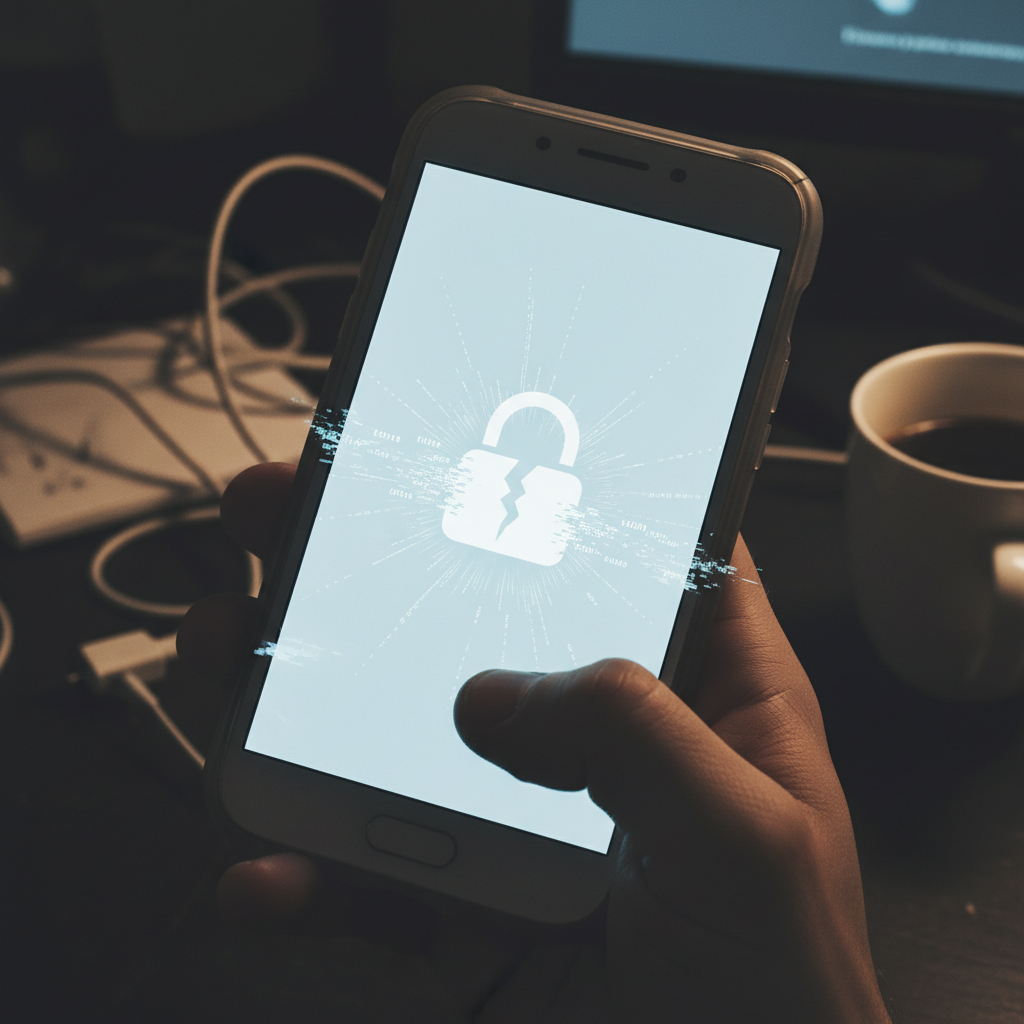
In an increasingly connected world, the smartphone has become an indispensable tool for work, communication, and entertainment. For many, the appeal of a budget-friendly Android device is undeniable. The promise of similar features at a fraction of the cost of premium models can be a powerful draw, especially in economically challenging times. However, this pursuit of a bargain often overlooks a critical aspect that can have far-reaching consequences: security. While the upfront savings might seem attractive, the hidden costs associated with cheap Android phones, particularly concerning your digital safety and privacy, can be incredibly high.
The Allure of the Bargain Bin
It’s easy to be enticed by a smartphone that offers a large screen, multiple cameras, and a seemingly robust feature set for a price that seems too good to be true. Manufacturers of ultra-affordable Android devices often cut corners to achieve these aggressive price points. Unfortunately, one of the first areas to suffer is often software development and ongoing support, which are absolutely crucial for maintaining a secure device throughout its lifespan.
The Peril of Outdated Software
One of the most significant security vulnerabilities of cheap Android phones stems from their abysmal software update policies, or often, the complete lack thereof. Major Android versions and monthly security patches are vital for fixing newly discovered vulnerabilities that hackers constantly exploit. Reputable manufacturers invest significant resources into these updates. In contrast, many budget brands either provide very few updates, offer them inconsistently, or abandon devices entirely after just a few months. This leaves users exposed to known exploits, turning their device into a digital ticking time bomb.
A Gateway for Exploits
Imagine driving a car whose safety features haven’t been inspected or updated in years while new dangers emerge on the road daily. That’s essentially what happens with an unpatched Android phone. Each unaddressed vulnerability is a potential gateway for malware, ransomware, or data theft. Without timely security patches, malicious actors have a much easier time compromising your device, accessing your personal information, and potentially even using your phone as a stepping stone to attack other devices on your network.
Pre-installed Threats: Bloatware and Beyond
Another common tactic for cheap phone manufacturers to generate revenue or reduce costs is to pre-install a significant amount of bloatware – unwanted applications that consume storage, battery, and system resources. While some bloatware is merely annoying, a more insidious threat exists: pre-installed spyware or poorly coded applications that create security holes. There have been numerous documented cases of cheap Android phones shipping with pre-loaded malware that can steal user data, display intrusive ads, or even gain root access to the device.
The Unseen Invaders
These pre-installed threats are particularly dangerous because they are often deeply integrated into the system firmware, making them difficult, if not impossible, for the average user to remove. Even if you factory reset the device, these malicious components can persist. They can operate in the background, exfiltrating your browsing history, contacts, messages, and even banking details without your knowledge or consent, turning your ‘bargain’ into a constant surveillance tool.
Substandard Hardware: A Weak Foundation
Beyond software, the hardware itself in cheap Android phones can present security risks. Lower-quality components might lack robust security features found in more expensive devices, such as hardware-backed encryption or secure boot mechanisms. Furthermore, the supply chain for these components can be less transparent, increasing the risk of tampering or the introduction of compromised elements during manufacturing. A device built on a weak foundation, both in terms of physical components and the software that runs on them, is inherently more susceptible to attack.
Compromised Data Privacy
When you purchase a cheap Android phone, you’re not just buying hardware and software; you’re also implicitly trusting the manufacturer with your data. Many budget phone brands, particularly those from less regulated markets, may have questionable privacy policies. They might collect excessive amounts of user data, potentially selling it to third parties or having lax security measures that make it vulnerable to breaches. The true cost of a cheap phone can manifest as a complete loss of privacy, with your personal information becoming a commodity.
Who’s Watching Your Data?
Every app you install, every website you visit, every message you send – this data paints a detailed picture of your life. On a secure device from a reputable brand, this data is generally protected by stringent privacy policies and robust encryption. On a cheap, unpatched device from an unknown manufacturer, that data could be flowing to servers in unknown locations, accessible to unknown entities, and used for purposes you never consented to. The potential for identity theft, targeted scams, or even blackmail becomes significantly higher.
The True Cost of a “Deal”
Ultimately, the initial savings on a cheap Android phone often come at the expense of your digital security and personal privacy. While the upfront price tag might be appealing, the potential for data breaches, identity theft, financial loss, and the constant anxiety of a compromised device far outweigh any perceived financial benefit. Investing in a device from a reputable manufacturer that commits to consistent software updates and robust security practices is not merely an expense; it’s an essential investment in your digital well-being and peace of mind. Prioritizing security ensures that your smartphone remains a powerful tool for empowerment, not a vulnerability waiting to be exploited.